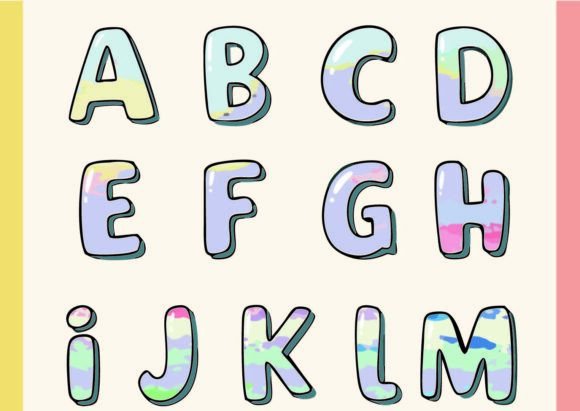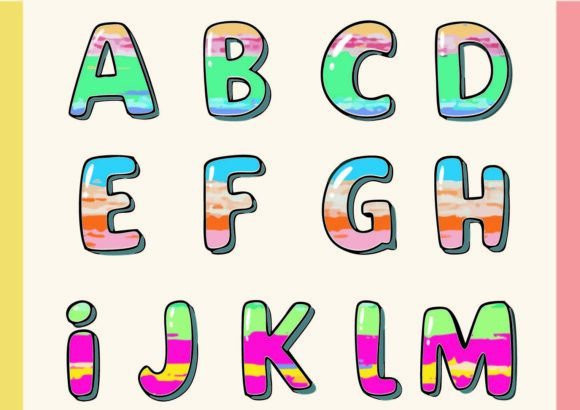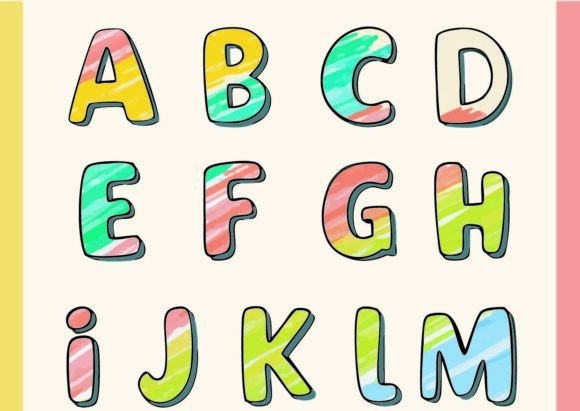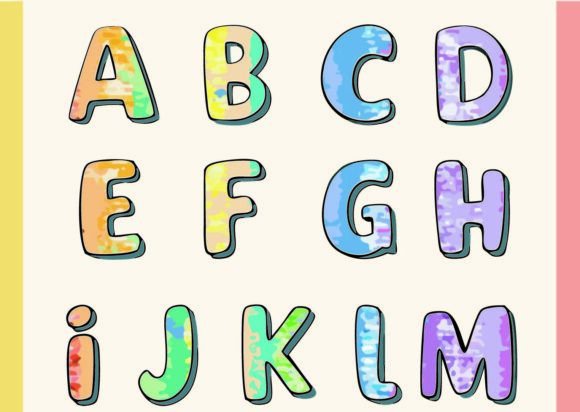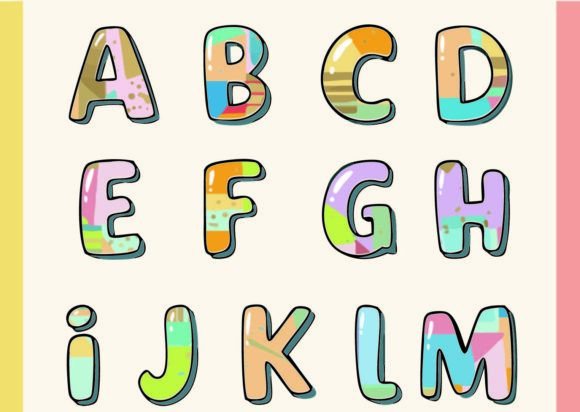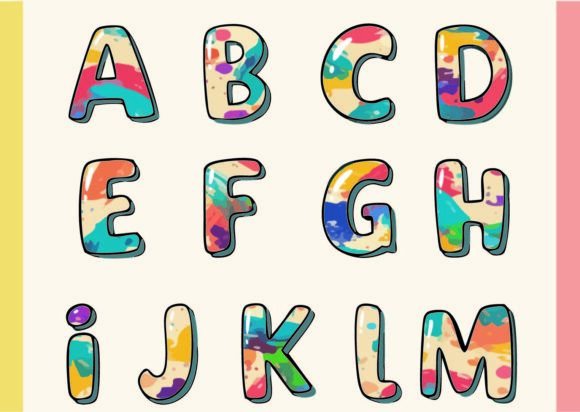
Reese: A Chromatic Font That Turns Every Glyph into a Painting
If you've ever wished your typography could feel more like illustration, Reese might be the typeface you didn't know you needed. This isn't your standard single-color font sitting quietly in the background of a layout. Reese is a color font—technically an OpenType-SVG chromatic typeface—where every single glyph carries its own complex palette. The result is a collection of letters that look like miniature works of art, full of layered paths, unexpected color combinations, and intricate detail that rewards a closer look.
For designers, marketers, and creators who want their text to command attention without relying on effects or post-processing, Reese offers something genuinely different. Each character functions almost like a typographic painting, with enough visual complexity to stand on its own while still working cohesively as a complete alphabet.
What Makes Reese Visually Distinctive
The first thing you'll notice about Reese is the sheer richness of its color. This isn't a font with two or three tinted layers stacked on top of each other. Every glyph in the set has been constructed with a unique combination of colors, gradients, and shapes. When you zoom in on individual letters, you'll find intricate paths and connections that create depth and movement. The overall effect is somewhere between stained glass, abstract art, and bold graphic design.
Because of this complexity, Reese reads as a display font through and through. It's built for headlines, hero text, logos, and any context where a few words need to carry real visual weight. Think of it as a creative font that bridges the gap between typography and illustration. It won't replace your body copy typeface, but it will absolutely elevate the moments where first impressions matter most.
The personality of Reese leans playful, artistic, and expressive. It has a modern typography sensibility—bold without being aggressive, colorful without feeling chaotic. There's a warmth to it that makes it feel approachable, even though the craftsmanship behind each glyph is anything but simple.
Where Reese Works Best
Not every project calls for a chromatic typeface, but when the fit is right, Reese can transform the entire feel of a design. Here are some of the contexts where this premium font really shines:
- Logo design and brand identity: If you're building a brand that wants to signal creativity, energy, or a willingness to stand out, Reese can anchor a logo mark or wordmark with genuine personality. It works especially well for lifestyle brands, creative agencies, children's products, entertainment companies, and any business that wants to avoid the safe, corporate look.
- Packaging design: On shelf or on screen, color catches the eye faster than almost anything else. Reese can make product names pop on packaging for food, cosmetics, stationery, or specialty goods. The built-in color complexity means you get visual interest without needing to layer multiple design elements.
- Social media graphics: In a feed full of competing visuals, a headline set in Reese stops the scroll. It's particularly effective for quote graphics, promotional posts, event announcements, and campaign headers where a few words carry the entire message.
- Editorial design and publishing: Magazine covers, blog headers, book chapter openers, and newsletter mastheads all benefit from a typeface that brings its own visual energy. Reese gives editorial layouts a focal point that draws readers in.
- Event materials and invitations: For parties, festivals, launches, and celebrations, Reese sets a festive tone immediately. The colorful, artistic quality of each glyph feels inherently celebratory.
- Web design hero sections: A bold headline in Reese above a clean layout creates instant contrast and visual hierarchy. It pairs well with simpler sans serif or serif font choices for body text, letting the display typeface do the heavy lifting while supporting copy stays readable.
- Craft and personal projects: Hobbyists and crafters using tools like Silhouette and Cricut will find that Reese adds a professional polish to custom projects—think greeting cards, wall art, party decorations, and personalized gifts.
How a Font Like Reese Influences Your Design Outcomes
Typography does more than display words. It shapes how people feel about what they're reading. A typeface like Reese carries specific implications for your projects:
Visual hierarchy: When you set a headline in Reese, there's no ambiguity about what the viewer should notice first. The color and complexity create an automatic focal point, which means you can keep the rest of your layout clean and let the typeface handle the emphasis.
Brand perception: Choosing a creative font like Reese signals that a brand values originality and visual craft. It tells the audience that the people behind the design care about standing out rather than blending in. That perception can be powerful for businesses in creative industries, but it's worth considering whether the tone matches your audience's expectations.
Engagement and recognition: Colorful, distinctive typography is inherently more memorable than standard black text on a white background. When someone encounters Reese in your materials, the visual impression sticks. Over time, consistent use of a distinctive typeface contributes to brand recognition in ways that generic font choices simply can't.
Practical Guidance for Working with Reese
Before you commit to Reese for a project, a few practical considerations will help you get the most from this typeface.
- Check your software compatibility. Reese is delivered as an OpenType-SVG color font. It works in Photoshop, Illustrator, Silhouette, and Inkscape. If you're working in other applications, verify that they support color font rendering. The OTF and TTF files are included, but the full color experience requires compatible software.
- Test font pairings early. Because Reese is so visually rich, it needs a quieter partner. A clean sans serif font for body text or a simple serif font for supporting copy creates the contrast that lets Reese breathe. Avoid pairing it with other expressive or decorative typefaces—the result will almost always feel cluttered.
- Evaluate readability at your intended size. Display fonts like Reese are designed for large-scale use. At headline sizes, the detail and color are striking. At small sizes, the complexity can become muddy. Always test at the actual dimensions your audience will see.
- Consider your color environment. Since Reese brings its own palette, think about how those colors interact with your background and surrounding design elements. A neutral or dark background usually lets the chromatic detail stand out most effectively.
- Review licensing for commercial use. If you're using Reese for client work, merchandise, or any commercial application, confirm that the license covers your intended use. Most premium font licenses are straightforward, but it's always worth checking before a project goes to print or production.
Reese isn't a typeface you'll use for everything, and that's exactly the point. It's a specialized design asset built for moments when you want typography to do more than communicate words—when you want it to communicate feeling, energy, and artistry. For the right project, it delivers something that few other fonts can: text that genuinely looks like it was painted, one letter at a time.