Collins: The Color Font That Turns Text into Typographic Art
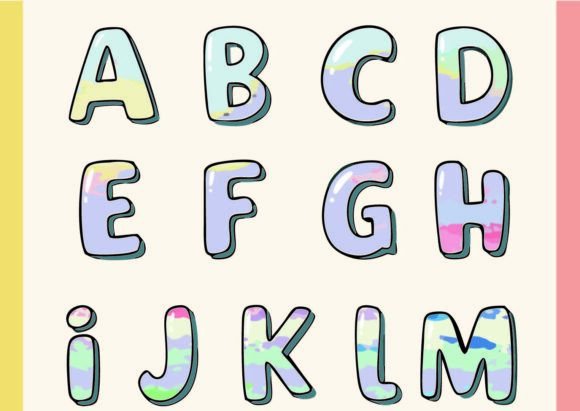
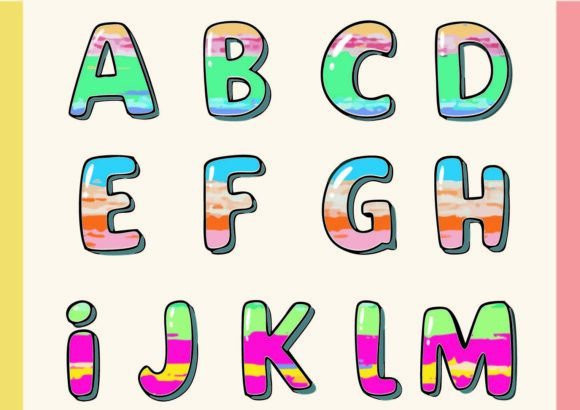
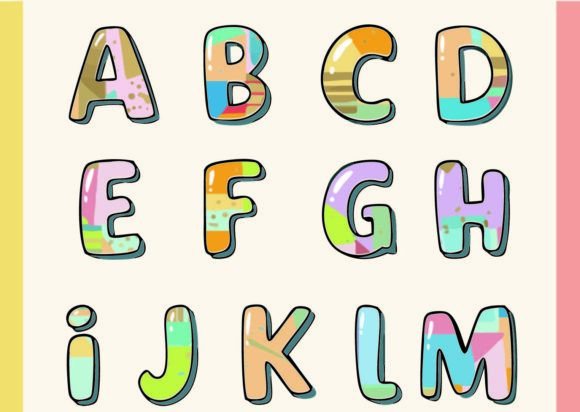
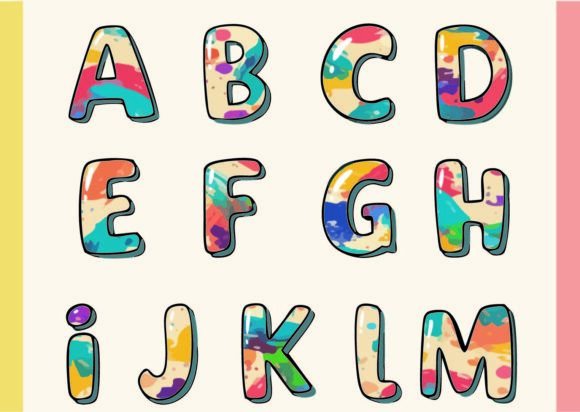
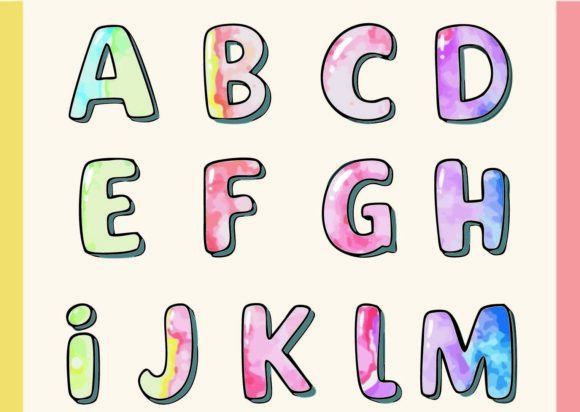
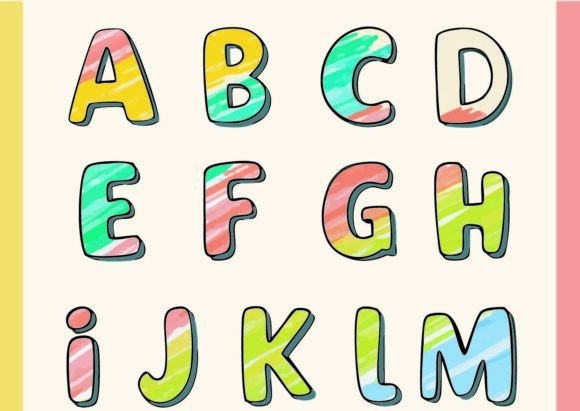
When you first encounter Collins, you realize this isn’t just another typeface—it’s a visual experience. As a chromatic or color font built on OpenType-SVG technology, Collins delivers something rare: every single glyph carries its own unique palette of colors, layered with intricate paths and connections that make each letter feel like a tiny, detailed painting. The effect is vibrant, textured, and immediately eye-catching, moving far beyond what traditional monochrome fonts can achieve.
A Visual Personality Like No Other
Collins doesn’t whisper; it speaks with confidence and flair. The glyphs are complex, with overlapping shapes, gradients, and color blends that create depth and dimension. If you look closely, you’ll notice how each character is composed of multiple vector paths, carefully arranged to produce a rich, almost illustrative quality. This isn’t a font that fades into the background—it’s designed to be a centerpiece, to draw the eye, and to convey a sense of creativity and craftsmanship. It’s a font with a distinct voice: bold, artistic, and unapologetically colorful.
Because it’s a color font, Collins works differently from standard typefaces. Instead of relying on a single color that you change in your design software, the colors are embedded directly into the font file. This means the multi-color effect is automatic—what you see is what you get, right out of the box. For designers, this saves time and opens up possibilities that would otherwise require manual layering or vector work.
Where Collins Truly Shines: Real-World Applications
Collins is a premium font that excels in contexts where visual impact matters most. Think of it as a display font first and foremost—ideal for headlines, titles, logos, and any element that needs to grab attention. In branding and logo design, Collins can inject personality and memorability into a visual identity, especially for brands that want to appear vibrant, modern, or playful. It’s a natural fit for creative entrepreneurs, event branding, or product packaging where standing out on the shelf is key.
In editorial design, Collins can transform a magazine cover, a book title, or a chapter opener into something visually striking. For publishers and bloggers, it offers a way to break the monotony of standard text-heavy layouts—imagine a blog header or pull quote rendered in Collins to instantly elevate the page’s aesthetic. In digital spaces, it’s powerful for social media graphics, website banners, and email newsletter headers where first impressions are made in milliseconds.
That said, Collins isn’t for every situation. Its intricate, colorful nature means it’s not suited for body text or long paragraphs—readability at small sizes is limited, and the visual complexity could overwhelm. Instead, think of it as a special-occasion font, reserved for moments where you want to make a statement. Use it for a hero image, a call-to-action button, or a featured quote. Pair it with a clean, neutral sans serif font for body text to create a balanced visual hierarchy that guides the reader’s eye.
Practical Considerations for Using Collins
Before integrating Collins into your project, it’s worth testing how it fits within your design ecosystem. As a color font in OpenType-SVG format, it’s compatible with modern versions of Adobe Photoshop, Illustrator, Silhouette, and Inkscape. However, support in other applications—especially older software or some web platforms—may vary. Always test the font in your intended environment to ensure the colors render correctly and the glyphs display as expected.
When evaluating project fit, consider your audience and the message you want to convey. Collins works beautifully for brands and projects targeting adults who appreciate design-forward aesthetics—think creative industries, lifestyle brands, artisan products, or boutique services. It’s less conventional for corporate or highly formal contexts, but for anyone looking to inject artistry and personality, it’s a compelling choice.
Font pairing is crucial here. Because Collins is so visually rich, it pairs best with simpler, more understated typefaces. A geometric sans serif or a clean serif font can provide a calm counterpoint, ensuring your design remains readable and balanced. Avoid pairing it with other ornate or highly stylized fonts, as that could create visual clutter.
Review the included styles and character set to ensure Collins meets your needs. While it may not come with multiple weights or italics in the traditional sense, the color variation across glyphs offers its own kind of versatility. Check for essential characters, punctuation, and any special glyphs that might be relevant to your language or design context.
Finally, if you’re using Collins for commercial work—whether for a client, a product, or marketing materials—verify the licensing terms. Most premium fonts like Collins come with clear commercial licenses, but it’s always wise to confirm the scope of use, especially for large-scale distribution, merchandise, or digital products. This ensures you’re using the font legally and professionally, protecting both your work and your client’s brand.
In the end, Collins is more than just a font—it’s a design asset with the power to transform ordinary text into extraordinary visual communication. Used thoughtfully, it can elevate brand identity, capture attention in crowded spaces, and bring a unique artistic touch to your creative projects. It’s a reminder that typography, at its best, is not just about letters—it’s about expression, emotion, and connection.