Diana: A Chromatic Font That Paints With Every Letter
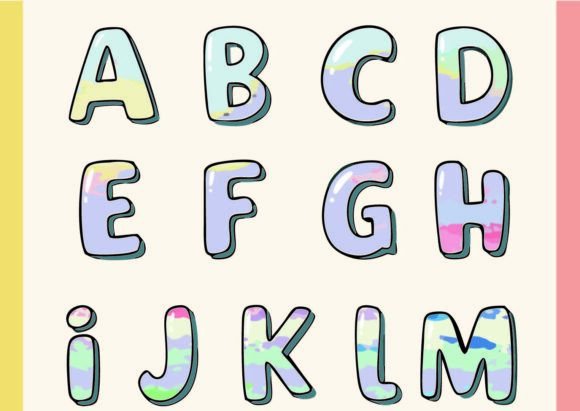
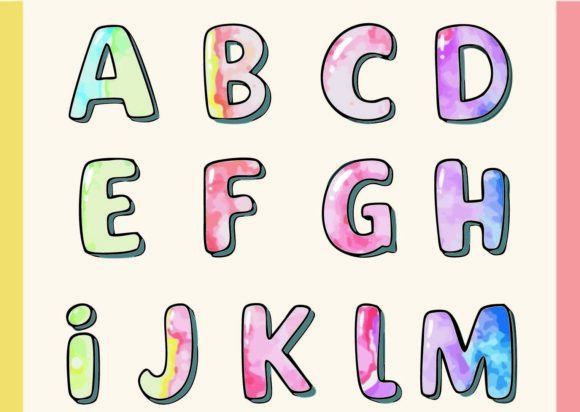
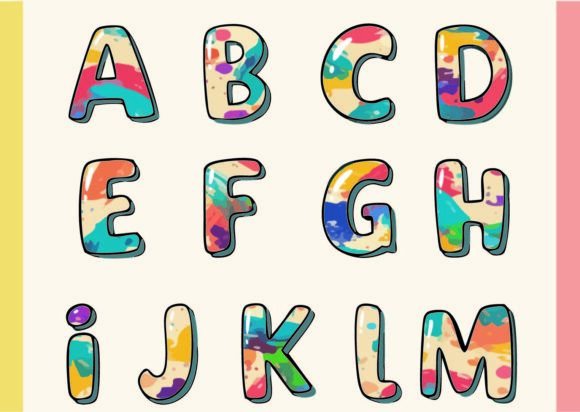
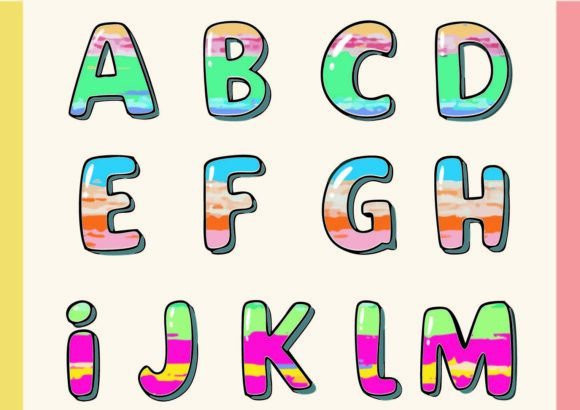
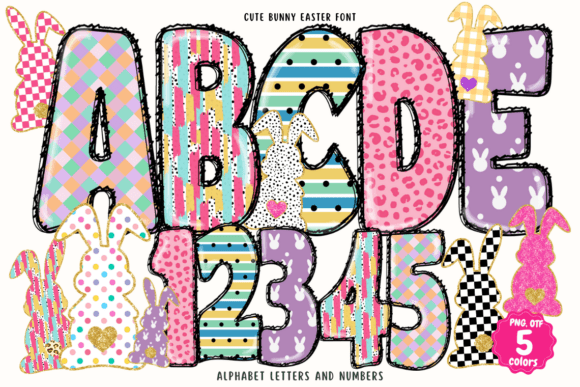
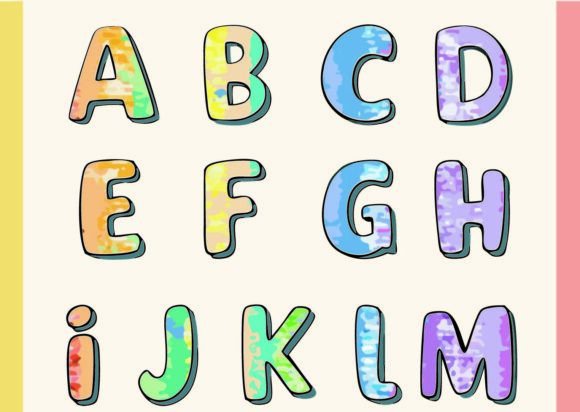
When you encounter a typeface like Diana, the first thing that strikes you isn't just its shape, but its color. Diana is a color font, sometimes called a chromatic font. This isn't your standard single-color typeface. Each individual glyph in the Diana font family is a miniature work of art, constructed from a complex set of paths and connections, each assigned its own unique set of colors. The result is a typographic palette that feels less like typing and more like painting with words. Imagine a vibrant, colorful heaven where every letter, number, and symbol is a distinct, multi-hued creation. That's the world Diana invites you into.
Understanding the Anatomy of a Color Font
It's helpful to understand what makes Diana technically distinct. This is an OpenType-SVG font. The "SVG" stands for Scalable Vector Graphics, a format that allows each glyph to contain multiple colors and gradients, much like a vector illustration in Adobe Illustrator. This technology is what enables the complex, painterly quality you see in every character. The visual personality of Diana is bold, artistic, and inherently decorative. It's a display font at its core, meaning its strength lies in headlines, logos, and short, impactful text where its intricate details can truly shine. It carries a sense of modern typography that leverages technology to create something deeply expressive and visually rich.
Where Diana Finds Its Voice: Practical Applications
The versatility of a creative font like Diana is surprising. Its immediate application is in projects where visual impact is paramount. Think about logo design for a boutique brand, a creative studio, or a festival poster. The font itself becomes a central design element, eliminating the need for additional graphics. For editorial design, a chapter opener or a pull quote set in Diana can establish a striking, artistic tone for a magazine spread or a book cover.
In the digital realm, Diana is a powerhouse for social media graphics. A single word in this typeface can stop the scroll, making it perfect for Instagram stories, Pinterest pins, or YouTube thumbnails. Its detailed nature also lends itself beautifully to packaging design, especially for products in the cosmetics, artisan food, or craft beverage spaces, where shelf appeal is everything. Even in web design, it can be used sparingly but effectively for hero text or a key call-to-action, provided the surrounding interface is clean and supports readability.
Making Informed Choices with a Premium Font
Choosing a premium font like Diana is an investment in your design assets. It's a tool that, when used correctly, can significantly elevate a project's professionalism and brand identity. However, its ornate nature means it's not a universal solution. The key is evaluating project fit. Ask yourself: Does the project call for a bold, artistic statement, or does it require quiet, functional text? Diana is the former. For body text, you'll always want to pair it with a more neutral serif font or sans serif font. A clean, modern sans serif like Montserrat or a classic serif like Lora can provide a stable foundation, allowing Diana's headlines to command attention without overwhelming the viewer.
Before committing, test the font thoroughly. Explore the full character set included in the OTF and/or TTF files. Does it have the punctuation and symbols you need? Examine how the colors interact in the specific glyphs you'll use most. Readability is a critical consideration. While Diana is legible at larger sizes, its complexity can make it challenging in small text or long sentences. Always conduct a readability test in your intended environment, whether that's on a mobile screen, a printed brochure, or a product label.
Licensing and Integration for Your Creative Workflow
Understanding the commercial licensing of a font is non-negotiable for any professional work. Diana, as a commercial font, comes with a license that dictates how it can be used. Always review the license agreement provided with your purchase to ensure it covers your intended use, whether for client work, merchandise, or digital products. Compatibility is another practical check. The product note specifies compatibility with Adobe Photoshop, Adobe Illustrator, Silhouette, and Inkscape. This covers the major design software used by professionals and hobbyists alike, ensuring Diana can integrate smoothly into your existing workflow for everything from digital illustrations to physical cut files for crafting.
Ultimately, Diana is more than just a set of colored letters. It's a design asset that embodies a specific, vibrant aesthetic. It's best viewed as a specialized tool in your typographic toolkit. When a project calls for that extra dose of artistic flair, visual depth, and immediate personality, Diana delivers in a way that few standard typefaces can. It encourages you to think of typography not just as communication, but as a key component of visual storytelling and brand perception. By understanding its strengths and pairing it thoughtfully, you can leverage Diana to create work that is not only seen but felt.