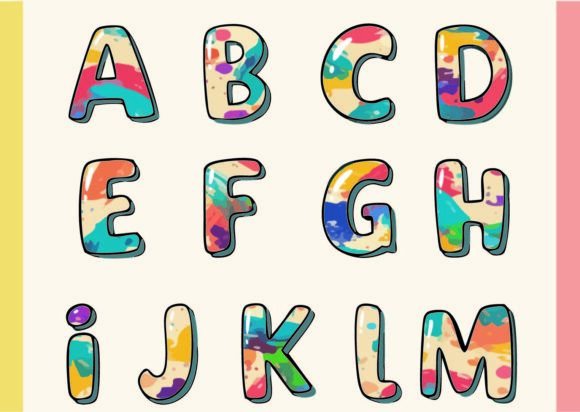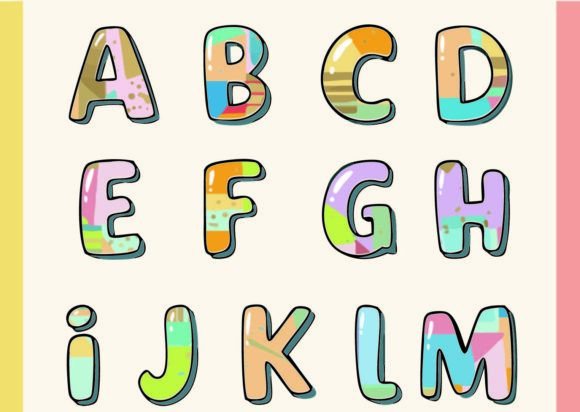
Mackenzie: A Color Font That Turns Typography into Art
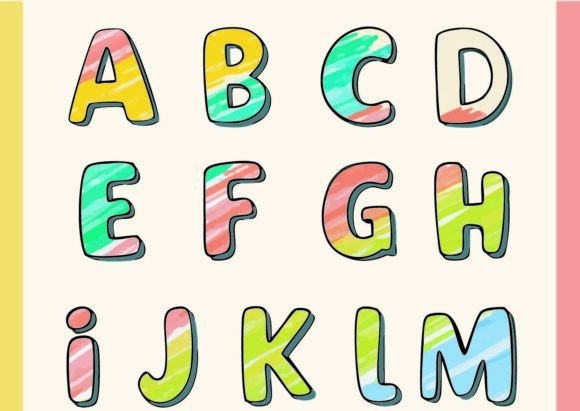
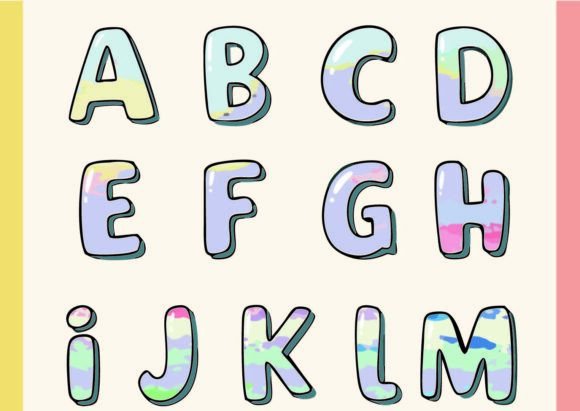
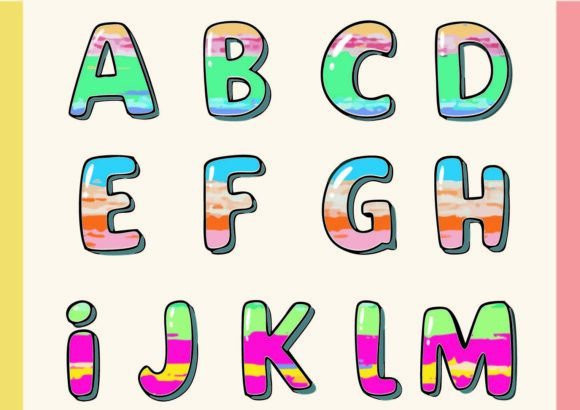
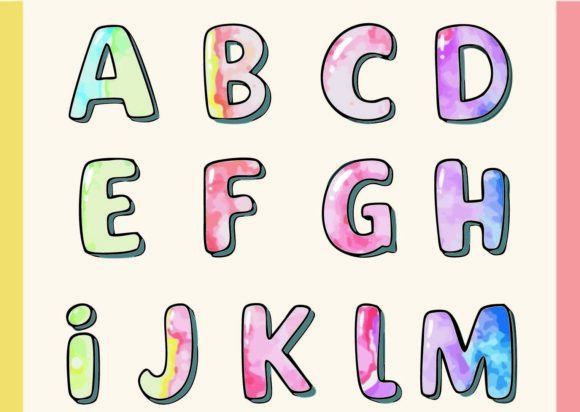
Imagine a typeface where every letter is a small canvas, a burst of color and intricate detail that stands entirely on its own. That's the reality of Mackenzie, a color font that redefines what a character can be. This isn't just a set of letters; it's a collection of typographic paintings. Each glyph in the Mackenzie family is a unique composition, built from a complex set of paths and connections, rendered in a distinct palette. The result is a premium font that feels less like a tool for setting text and more like a curated design asset for making statements.
From a practical standpoint, Mackenzie leverages modern OpenType-SVG technology. This means the color and detail you see are embedded directly within the font file. When you use it in a compatible application like Adobe Photoshop, Illustrator, Silhouette Studio, or Inkscape, you're activating a high-fidelity image for each letter. The appeal is immediate and powerful. It carries the personality of a display font with the visual weight of an illustration, making it a standout choice for projects where first impressions are everything. For designers and creators, it solves a common challenge: how to add instant visual interest and a handmade, artistic quality without commissioning custom lettering for every project.
Where Mackenzie Truly Shines: Practical Applications
Understanding a font's ideal environment is key to using it effectively. Mackenzie isn't designed for long paragraphs of body copy. Its strength lies in high-impact, short-form applications where its detailed artistry can be fully appreciated. Think of it as the exclamation point in your design toolkit.
In logo design and brand identity, Mackenzie can serve as the cornerstone for a brand that wants to project creativity, artistry, and a vibrant personality. A coffee shop with an artisan focus, a boutique children's brand, or a creative agency could use it for their logotype to instantly communicate a unique, handcrafted ethos. It works beautifully for event branding—think festival posters, wedding invitations, or gala announcements—where the typography itself becomes a decorative element.
For marketing and social media graphics, its value is immense. A single word set in Mackenzie can stop the scroll on Instagram or Pinterest. Use it for headline text on a promotional poster, a featured quote graphic, or the title of a YouTube thumbnail. Its inherent visual complexity means a simple layout can feel rich and layered. In editorial design and publishing, consider it for chapter titles in a magazine, pull quotes, or the cover of a special edition book. For packaging design, it can elevate a product label, making it feel like a premium, giftable item.
Even in personal projects, Mackenzie excels. Crafters can use it with cutting machines to create stunning vinyl decals, custom t-shirts, or one-of-a-kind greeting cards. Bloggers can use it for hero images or section headers to break up text and add visual flair. The key is to treat each word or short phrase as a focal point.
Integrating Mackenzie: A Designer's Practical Guide
Adopting a bold, artistic typeface like Mackenzie requires a thoughtful approach to maintain professionalism and clarity. Here’s how to integrate it successfully into your workflow.
Evaluate the Project Fit: Before you begin, ask yourself: Is the goal of this design to be decorative and eye-catching? If the answer is yes, Mackenzie is a strong candidate. If the priority is dense information delivery, you would pair it with a highly legible serif font or sans serif font for body text. Never sacrifice readability for style in functional copy.
Mastering Font Pairing: This is where strategy comes in. Mackenzie’s detailed, colorful nature demands a calm, structured partner. A clean, geometric sans serif (like Montserrat or Futura) provides a modern, balanced contrast. A classic, understated serif (like Garamond or Times New Roman) can create an elegant, sophisticated pairing. The goal is to let Mackenzie be the star while its partner ensures the supporting text remains easy to read. Test these font pairing combinations at the actual size they’ll be used to see how they interact.
Leverage the Included Styles: Check what’s included in the font package. Does Mackenzie come with alternates, ligatures, or different color variations? Using these stylistic sets can help you customize the look further and ensure your design feels unique, even if others are using the same creative font. This is part of working with a robust typeface system.
Readability and Scale: Because of its intricate paths, Mackenzie performs best at larger sizes. Use it for headlines, titles, and logos—places where the viewer can see and appreciate the detail. Avoid using it at small sizes for subheads or captions, as the colors and paths may blend together, reducing clarity. Always view your design at 100% zoom to assess true on-screen or print readability.
Understand the Licensing: As a commercial font, Mackenzie comes with a license that dictates how you can use it. Review the terms carefully, especially if you plan to use it in client work, merchandise for sale, or in widely distributed digital products. Ensuring you have the correct license for your use case is a non-negotiable part of professional practice.
In a landscape saturated with minimalist sans serifs and classic serifs, Mackenzie offers a compelling alternative. It’s a tool for designers, marketers, and creators who want to inject immediate personality, color, and artistry into their work. By applying it strategically and pairing it wisely, you can leverage this modern typography to create designs that are not only seen but felt, building a stronger brand identity and deeper audience engagement.