Malia: A Typographic Painting for Modern Creatives
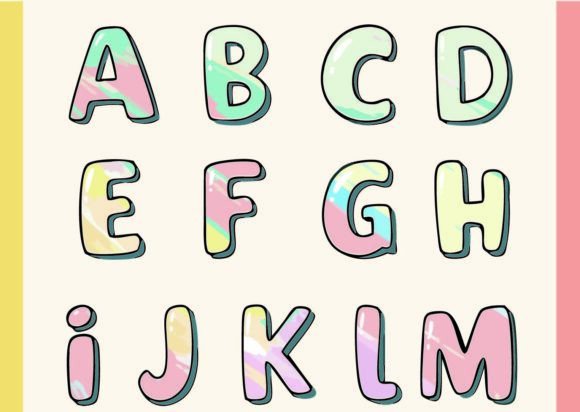
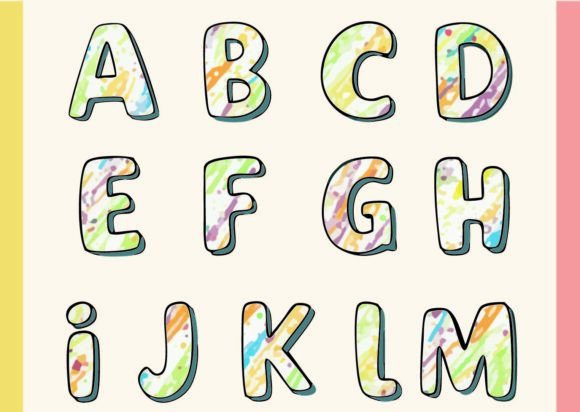
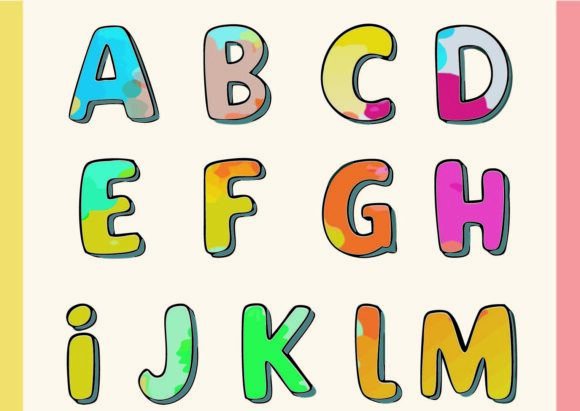
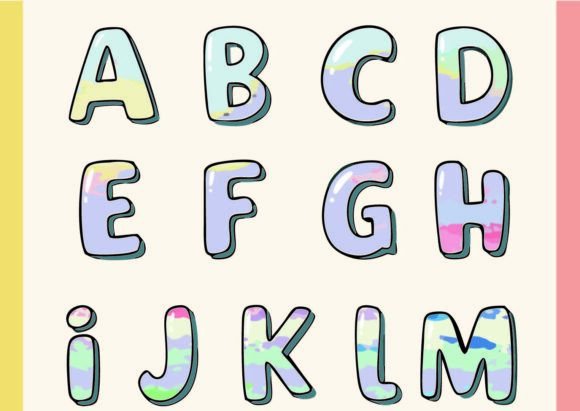
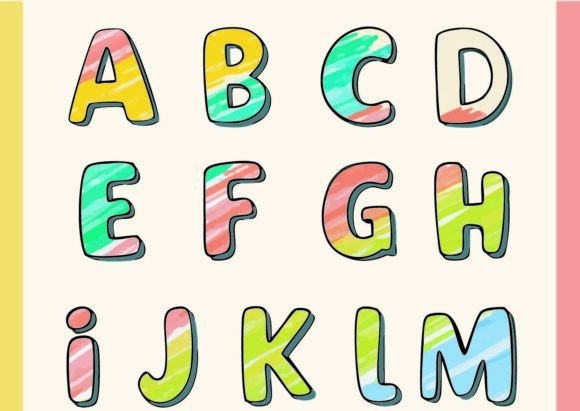
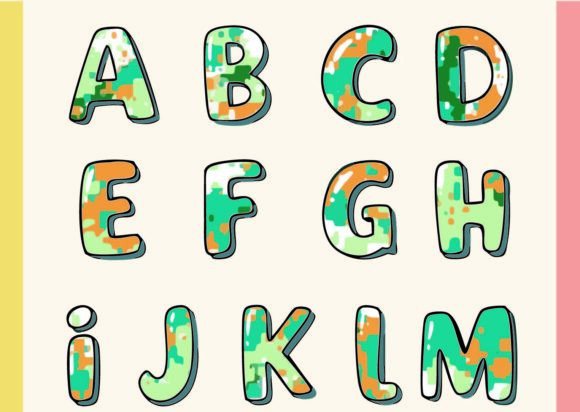
Imagine a font where every single character is a miniature work of art. That's the reality with Malia, a premium font that transcends simple letterforms. This isn't your standard serif font or clean sans serif font; it's a color font (specifically, an OpenType-SVG typeface) designed to inject immediate vibrancy and depth into your projects. Each glyph is a unique composition of intricate paths and connections, rendered in a distinct, harmonious set of colors. The result is a creative font that feels less like a set of letters and more like a curated collection of typographic paintings.
Understanding the Visual Language of Malia
Malia's personality is bold, artistic, and inherently complex. The visual style draws from modern graphic design trends, blending abstract geometry with fluid connections. When you look closely, you’ll see the complex sets of paths that define its character—these aren't random splashes of color but carefully constructed layers that create a sense of movement and sophistication. This makes Malia an excellent choice for projects that demand a display font with a strong, memorable presence. It’s designed to be the focal point, not a supporting player in body text.
However, this artistic complexity comes with practical considerations. As a color font, Malia's full visual effect is realized in applications that support the OpenType-SVG format. This includes major design software like Adobe Photoshop, Illustrator, and Silhouette, as well as the free and powerful Inkscape. The included OTF and TTF files ensure broad compatibility, allowing you to leverage its unique look across a wide range of digital and print design workflows.
Where Malia Shines: Strategic Applications
The true value of a modern typography asset like Malia is in its strategic application. Its vibrant, multi-colored nature makes it particularly effective for specific types of projects where visual impact is paramount.
- Logo Design & Brand Identity: For brands targeting a youthful, creative, or artistic audience, Malia can form the core of a striking logo design. It instantly communicates innovation and a flair for the visual. Think of a boutique design studio, a trendy cosmetics brand, or a festival poster—it sets a distinct tone for the entire brand identity.
- Packaging Design: In a crowded retail environment, packaging must grab attention in seconds. Malia’s colorful, detailed nature makes product names leap off the shelf, ideal for artisanal goods, beauty products, or specialty food items where shelf appeal is critical.
- Digital & Social Media Graphics: For web design hero sections, social media graphics, or email headers, Malia provides an immediate visual hook. It can elevate a simple promotional graphic into a piece of standout design assets, driving higher engagement on platforms like Instagram or Pinterest.
- Editorial & Publishing: Used sparingly in editorial design—for pull quotes, chapter titles, or magazine covers—Malia adds a layer of luxury and contemporary style. It’s a tool for publishers and bloggers who want their layouts to feel curated and high-end.
It’s worth noting that Malia, due to its intricate detail, is not suited for long-form body copy. Its strength lies in headlines, logos, and short, impactful text blocks where its artistic qualities can be fully appreciated without compromising readability.
Practical Guidance for Using a Creative Font Like Malia
Integrating a specialized typeface like Malia into your design system requires a thoughtful approach to ensure it enhances rather than overwhelms your work.
- Evaluate Project Fit: First, ask if the project’s tone aligns with Malia’s vibrant, artistic personality. Is the goal to convey playful energy, modern elegance, or creative boldness? If the answer is yes, it’s a strong candidate. For projects requiring formal seriousness or minimalism, a simpler script font or handwritten font might be more appropriate.
- Master Font Pairing: The key to using a powerful display font is balance. Pair Malia with a clean, neutral sans serif font for body text. This creates a clear visual hierarchy, allowing Malia to command attention in headings while ensuring your message remains legible and professional. Avoid pairing it with other ornate fonts that could compete for attention.
- Review the Included Styles: While the primary draw is its color, check if the font package includes any stylistic alternates or a monochrome version. This can be useful for contexts where full color isn’t feasible, such as single-color print runs or certain digital applications, ensuring brand consistency across all touchpoints.
- Consider Readability & Context: Always test the font at the size and in the context it will be used. While beautiful, the complexity of its paths may reduce legibility at very small sizes or on low-resolution screens. Its best use is at larger scales where the detail can be seen and appreciated.
- Understand Commercial Licensing: As a commercial font, ensure your license covers your intended use, whether for a client’s logo design, product packaging, or social media graphics. Proper licensing protects both you and the font creator, allowing you to use this asset confidently in professional projects.
In essence, Malia is more than a design asset; it’s a statement piece. By understanding its visual language and applying it with strategic intent, you can leverage its unique, colorful heaven to create designs that are not only seen but remembered. It offers a way to elevate modern typography in your work, bringing a level of artistry and engagement that standard fonts simply cannot match.