Steel Metal: A Bold Decorative Font for Industrial Design
Capturing the Essence of Forged Strength in Typography
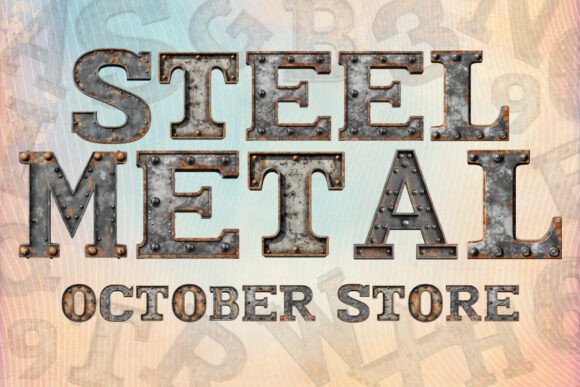
When a project calls for more than just letters—when it demands a statement of raw power and industrial integrity—typography becomes a critical design asset. The Steel Metal font answers this call directly. It is not merely a collection of characters but a visual texture, a typeface where each letterform is constructed to resemble polished, silver steel. The metallic sheen and heavy-duty aesthetic make it a standout choice for designs that need to convey strength, durability, and a modern, engineered look. This is a premium font that functions as a piece of visual engineering itself, built for impact in the right context.
Understanding its core personality is the first step. Steel Metal is unapologetically bold and decorative. Its characters carry a sense of weight and solidity, perfect for headlines that need to anchor a design or logos that must project confidence. The industrial style is not subtle; it’s meant to be seen and felt. This makes it a powerful tool in a designer's kit, but one that requires thoughtful application. It’s the typographic equivalent of a steel beam—essential for the right structure, but out of place in a delicate watercolor painting.
Where Steel Metal Truly Shines: Practical Applications
The true value of any creative font is realized in its application. Steel Metal excels in environments where its bold, metallic character can set a tone without overwhelming the entire composition. Its use cases span across numerous creative and commercial fields, each leveraging its unique visual properties.
Branding and Logo Design
For logo design, especially for brands in construction, automotive, engineering, fitness, or tech hardware, Steel Metal can form the bedrock of a strong brand identity. It immediately communicates reliability and toughness. Imagine it used for a power tool company’s wordmark or a craft brewery’s bold label—it creates instant recognition and aligns the brand with attributes of quality and resilience. The key is pairing it with simpler, cleaner elements to ensure the overall design remains balanced and professional.
Editorial and Packaging Design
In editorial design, such as magazine covers for men’s lifestyle, automotive, or industrial topics, a headline set in Steel Metal can grab attention on a crowded newsstand or digital feed. Similarly, in packaging design, it can make a product stand out on the shelf, particularly for items targeting a demographic that appreciates a rugged, no-nonsense aesthetic. Think of labels for tools, specialty hardware, or even premium hot sauces. The font’s texture adds a tactile quality to the visual experience.
Digital and Social Media Graphics
The digital realm offers a dynamic stage for Steel Metal. For web design, it can be used strategically for hero text or call-to-action buttons on sites for construction firms, gyms, or automotive services. On social media graphics, it stops the scroll. A promotional post for a new product launch, an event, or a motivational quote gains instant visual hierarchy when set in a bold display font like this. Its high-contrast, shiny appearance ensures it pops against both light and dark backgrounds, provided the color settings are correct.
Strategic Considerations for Effective Implementation
Choosing a font like Steel Metal is only the first step. Using it effectively requires a strategist’s mindset, considering how it influences perception, readability, and overall project cohesion.
Font Pairing and Visual Hierarchy
Given its strong personality, Steel Metal is rarely used for body copy. Its role is for display purposes—headlines, titles, and logos. The most critical practice is font pairing. It pairs best with neutral, highly legible typefaces. A clean sans serif font for subheadings and body text creates a perfect counterbalance, allowing the steel headline to command attention without causing visual fatigue. A simple serif font can also work, adding a touch of traditional contrast. The goal is to let Steel Metal be the star of the show while the supporting cast ensures clarity and readability.
Readability and Context
Readability is paramount. While Steel Metal is designed for impact, its textured, decorative nature means it should be used at larger sizes where the metallic effect is clear and the letterforms are distinct. Avoid using it for small, dense paragraphs of text. Always test it in the specific context of your project—view it on a mockup of a business card, a website header, or a poster to ensure the effect translates as intended. Its heavy visual weight can dominate a layout, so balance is key.
Understanding the Technical Format
It’s crucial to note that Steel Metal is a color font (OpenType-SVG). This format allows it to contain the detailed metallic texture and color information. Compatibility is therefore a key consideration. It works seamlessly in professional design software like Adobe Photoshop, Illustrator, and open-source alternatives like Inkscape and Silhouette. However, it is not compatible with cutting machines like Cricut, as they require simple vector outlines. For crafters and hobbyists, this is an essential factor. Always check the included font files (OTF/TTF) and review the product’s compatibility notes to ensure it fits your workflow. A commercial font license should also be verified to cover your intended use, whether personal or commercial.
Ultimately, Steel Metal is a specialized tool. It’s a creative font that injects a specific, powerful aesthetic into a project. Used wisely, it can elevate a design from ordinary to memorable, forging a visual identity that is as strong and enduring as the material it emulates. For designers, marketers, and entrepreneurs looking to make a bold statement, it’s a design asset worth serious consideration.