Zara: A Color Font for Vibrant Design Projects
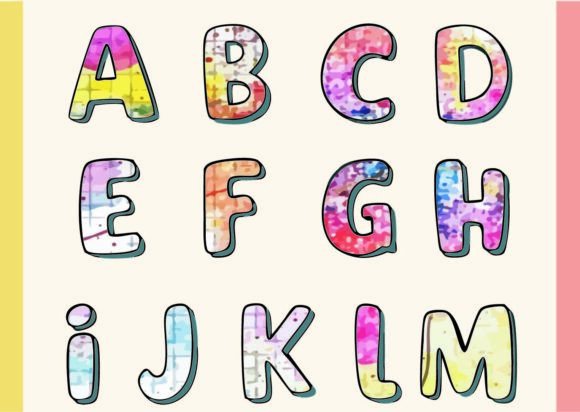
If you've ever wished your typography could carry the same energy and depth as a piece of art, Zara is the font that answers that call. This isn't your standard typeface; it's a color font, also known as a chromatic font. Each letter, number, and symbol is a unique composition, a miniature landscape of layered hues and intricate vector paths. It's a premium font designed to transform headlines, logos, and creative projects into vibrant focal points. For designers and creators seeking a display font with undeniable personality, Zara offers a visual richness that standard fonts simply cannot match.
Understanding the Anatomy of Zara
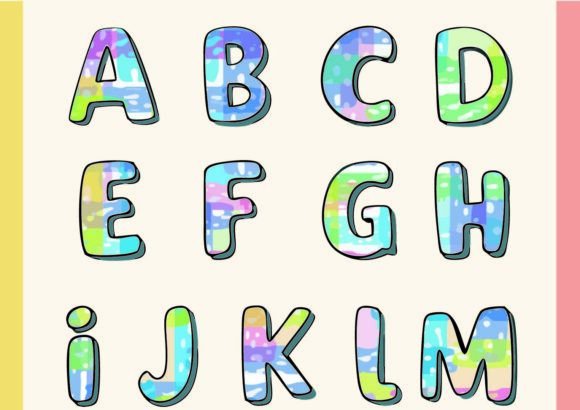
What sets Zara apart in the world of modern typography is its construction. Imagine looking at a single glyph—the letter "A," for example. In a typical font, it might be a solid shape or have a simple outline. In Zara, that "A" is built from multiple overlapping paths, each assigned a different color. These colors blend and interact, creating gradients, shadows, and a sense of three-dimensional form directly within the font file. This OpenType-SVG technology allows the font to be a self-contained design asset, packing a visual punch that's ready to use.
The visual personality of Zara is bold, artistic, and contemporary. It carries a sense of crafted luxury without being overly formal. Think of it as a serif font or sans serif font that decided to become a painter. Its complex paths give it a textured, almost tactile quality, making it feel handmade yet precise. This isn't a script font or handwritten font aiming for casual elegance; it's a creative font built for impact and statement-making. Its strength lies in its ability to instantly convey creativity, modernity, and a high-end aesthetic.
Where Zara Truly Shines: Practical Applications
The real value of a font like Zara is realized in its application. Because it's a display font, its primary role is to draw attention in short, high-impact text. This makes it exceptionally well-suited for specific types of projects across various creative fields.
- Branding and Logo Design: For businesses in creative industries—boutique agencies, event planners, artisanal product makers, or innovative startups—Zara can form the core of a striking brand identity. A logo set in Zara communicates innovation and a forward-thinking approach. It’s particularly effective for brands targeting a design-savvy audience.
- Editorial and Packaging Design: Magazine covers, chapter titles in books, or product names on packaging design can benefit immensely. Imagine a cosmetics brand using Zara for its product line name on a sleek box; the font does the work of communicating luxury and style before the customer even reads the description.
- Digital and Social Media Graphics: In the fast-scrolling world of social media, stopping power is everything. Zara excels in Instagram post headers, YouTube thumbnails, Pinterest graphics, and website hero banners. It adds a layer of visual sophistication that can elevate a brand's web design and social presence, making content more shareable and memorable.
- Personal and Commercial Projects: For crafters and hobbyists, Zara brings a professional, gallery-worthy feel to projects like wedding invitations, art prints, or custom stationery. For small business owners, it offers a way to create marketing materials that look expensive and polished without a custom illustration budget.
Integrating Zara into Your Design Workflow
Adopting a color font like Zara requires a slightly different approach than working with standard typefaces. Here’s some practical guidance to ensure it works for you, not against you.
Evaluate Project Fit First: Before you even install Zara, ask: does this project call for a bold, artistic statement? If you're designing a lengthy report or body text for a website, Zara is not the tool. It's a headline hero, a logo powerhouse, a call-to-action star. Use it where you need maximum visual impact with minimal word count. Its nature as a display font means readability at small sizes or in long paragraphs will be compromised.
Master Font Pairing: The complexity of Zara demands a simpler companion. Pair it with a clean, neutral sans serif font or a classic serif font for body copy. For example, Zara in a headline followed by Open Sans or Lora in the paragraph text creates a beautiful hierarchy. The simplicity of the supporting text allows Zara's intricate colors and forms to stand out without causing visual chaos. Avoid pairing it with other highly decorative or handwritten fonts.
Check Compatibility and Licensing: Zara is delivered as an OTF (OpenType) file, which is the standard for color fonts. It's crucial to know that its full color glory is only visible in applications that support the OpenType-SVG format. This includes recent versions of Adobe Photoshop, Adobe Illustrator, Silhouette Studio (Designer Edition and above), and Inkscape. It will not display with colors in older software like Microsoft Word. Always verify the commercial font license for your intended use, especially for client work or products for sale.
Test Extensively: Don't just type and go. Place Zara on different colored backgrounds to see how its colors interact. Test it at various sizes to find its sweet spot. Export it to ensure the colors render correctly in your final file format, whether for print or digital. Treating it as a key design asset in your toolkit means giving it the attention it deserves during the design process.
In a landscape crowded with standard typography, Zara offers a genuine way to differentiate. It’s more than a font; it’s a built-in illustration system for your text. By understanding its strengths and integrating it thoughtfully, you can leverage its vibrant, artistic nature to create designs that are not only seen but truly felt. It’s a powerful tool for anyone looking to inject energy, creativity, and a modern edge into their visual communications.