Pastel Easter: The Color Font for Joyful Design
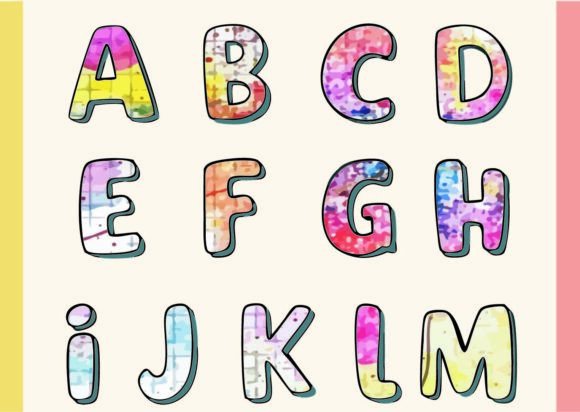
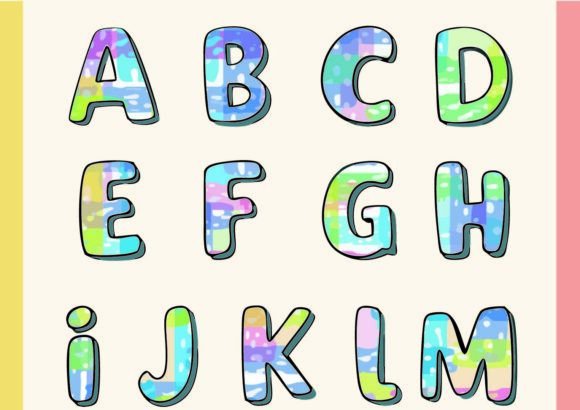
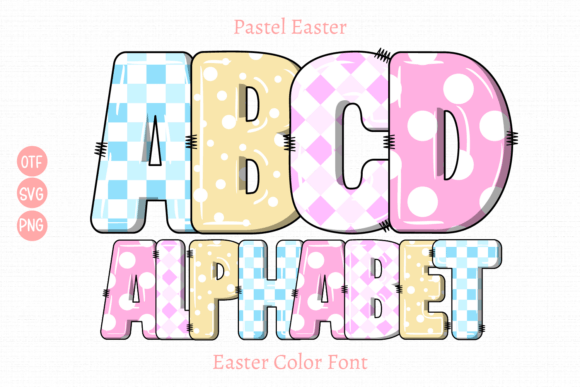
There’s a particular kind of energy that comes with spring—lighter, brighter, and full of gentle optimism. Capturing that feeling in a design project can be tricky, especially when you’re working with standard typography. That’s where a specialized asset like Pastel Easter comes into play. It’s not just a typeface; it’s a complete visual mood. As a premium font, it offers a color font experience, meaning the pastel hues are embedded directly into the letterforms. This transforms text from simple communication into an immediate decorative element, saving you hours of manual coloring and outlining in design software.
Visual Personality and Style
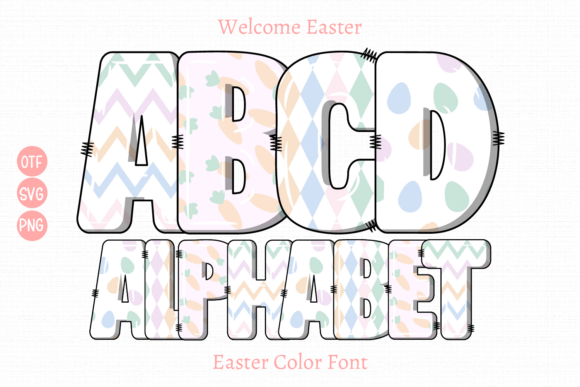
When you first look at Pastel Easter, the immediate impression is one of softness and authenticity. It avoids the harsh edges of geometric sans serif font styles, leaning instead into a handwritten font aesthetic that feels organic and genuine. The letterforms have a buoyant, slightly irregular rhythm that mimics natural hand-lettering. This isn't a rigid script font; it’s a display font with character. The color palette—think soft lavenders, mint greens, butter yellows, and blush pinks—is designed to be harmonious, ensuring that even when used in long headlines, it remains pleasing to the eye without becoming overwhelming. It bridges the gap between a creative font and a functional design tool, offering a unique texture that standard vector text simply cannot achieve on its own.
Strategic Applications for Brands and Creators
For those in the creative industry, the utility of Pastel Easter extends far beyond holiday-themed projects. Its versatility makes it a powerful addition to various design assets. Here is where this typeface truly shines:
- Logo Design and Brand Identity: If you are building a brand for a bakery, a boutique, a wellness coach, or a children’s product, this font instantly communicates approachability and care. It helps build a brand identity that feels warm and inviting.
- Packaging Design: On shelf labels or product wrappers, the color font aspect eliminates the need for complex layering. It draws the eye immediately, making it ideal for headers on packaging for artisanal goods or seasonal treats.
- Web Design and Social Media: In the fast-scrolling environment of Instagram or Pinterest, Pastel Easter stops the thumb. It works exceptionally well for social media graphics, sale announcements, and blog headers. In web design, it can be used sparingly for call-to-action buttons or hero text to inject personality without sacrificing site speed.
- Editorial and Publishing: For editorial design, such as magazine spreads, zines, or digital newsletters, this font adds a layer of tactile quality. It works beautifully for pull quotes or chapter titles in lifestyle publications.
Influence on Readability and Hierarchy
A common concern with decorative or display typefaces is readability. However, Pastel Easter is designed with modern typography principles in mind. While it is best suited for headlines and short bursts of text rather than body copy, its legibility remains high because of its distinct letter spacing and consistent baseline. Using this font naturally creates a strong visual hierarchy. When paired with a clean, neutral body font—like a simple serif font or a sans serif font—it draws the reader's attention exactly where you want it. The contrast between the colorful, textured header and the clean body text creates a professional rhythm that guides the user through the content. This balance is crucial for maintaining professionalism; the font adds flair without cluttering the message.
Practical Guidance for Implementation
Integrating a premium font like this into your workflow requires a bit of strategy. Here is practical advice for getting the most out of your investment:
- Evaluating Project Fit: Before applying Pastel Easter, consider the tone of your project. It is perfect for themes of celebration, growth, gentleness, and creativity. It may not be the right fit for corporate finance or heavy industrial topics, but for lifestyle, fashion, food, and personal branding, it is an exceptional choice.
- Font Pairing: The best companion for a handwritten font is something structured. Try pairing it with a geometric sans serif font like Montserrat or a traditional serif font like Lora. This contrast ensures your body text remains readable while your headers pop.
- Licensing and Commercial Use: Always verify the licensing terms. As a commercial font, Pastel Easter usually requires a specific license for client work or merchandise (like t-shirts or mugs). Ensure your license covers your intended usage to avoid legal issues down the road.
- Testing Color Interactions: Since this is a color font, the background matters. Place it on white or very light grey backgrounds to maintain the softness of the pastels. Dark backgrounds can sometimes swallow the delicate hues, though testing in your specific design software is always recommended.
Ultimately, Pastel Easter is more than just a seasonal novelty. It is a robust design tool that allows designers, marketers, and content creators to inject genuine charm into their work. By understanding its personality and applying it with strategic intent, you can elevate your projects, ensuring they resonate with your audience through color, texture, and thoughtful typography. It’s about adding that human touch that makes digital and print designs feel alive.