Aria: Where Every Glyph Becomes a Typographic Painting
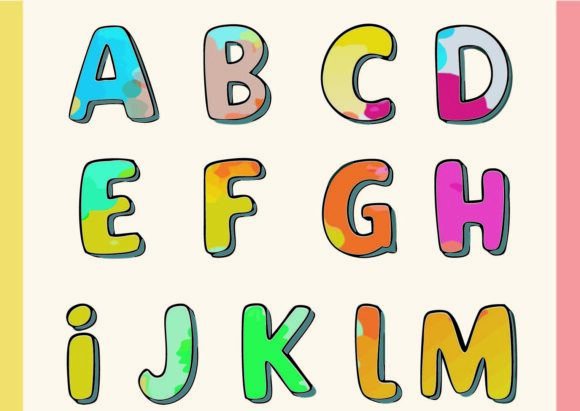
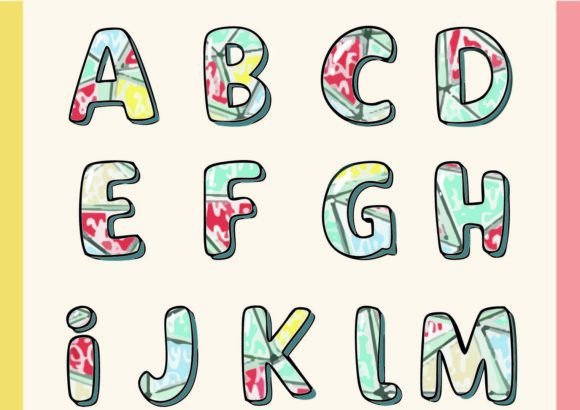
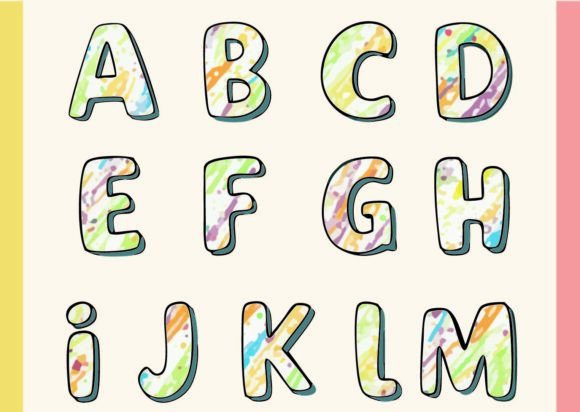
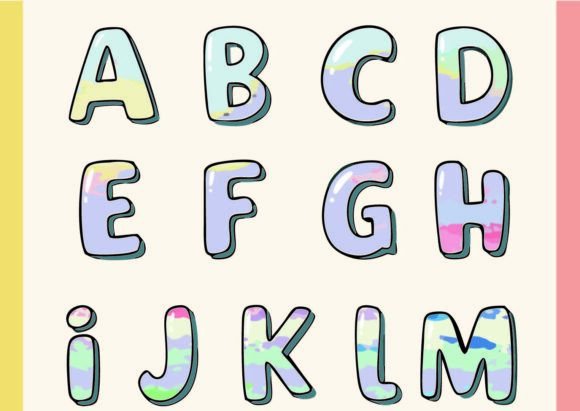
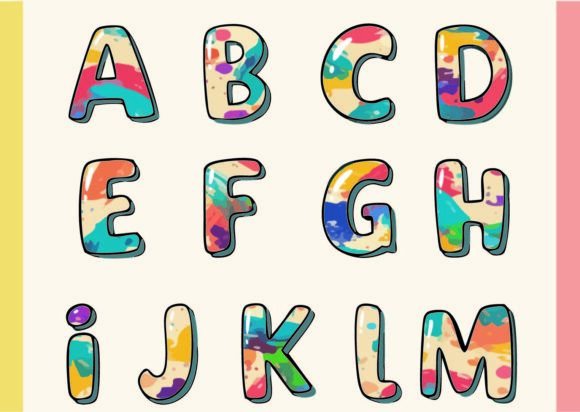
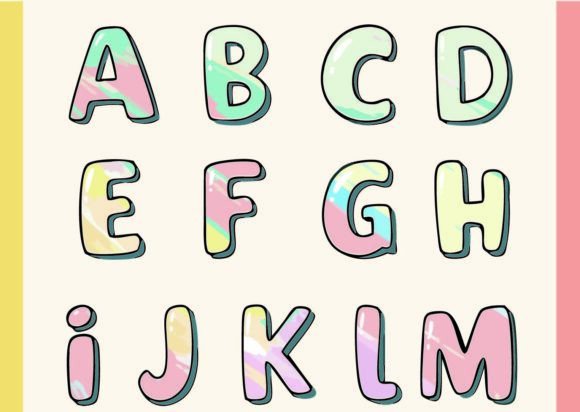
Imagine a font that doesn’t just convey words but transforms each character into a miniature work of art. That’s the promise of Aria. This isn’t your standard, single-color typeface. Aria is a color font, built with OpenType-SVG technology, meaning every single glyph carries its own intricate palette of colors. It’s a colorful heaven for designers, where letters and symbols are filled with complex paths, gradients, and connections that create stunning visual depth right out of the box.
The Visual Personality of Aria
At first glance, Aria presents a bold, decorative presence. Its style leans into a modern, artistic aesthetic, blending elements that feel both curated and expressive. Each character is a self-contained composition, featuring layers of color that interact in sophisticated ways. You’ll see overlapping shapes, subtle gradients, and intricate line work that give the font a textured, almost painted quality. This complexity makes Aria a powerful display font, designed to command attention in headlines, logos, and feature typography rather than in body text.
The personality of Aria is confident and creative. It speaks to projects that value uniqueness and visual storytelling. While it carries the weight and structure of a serif font in some interpretations, its color treatment injects a contemporary, almost artistic flair. This duality allows it to bridge classic elegance with modern vibrancy, making it a versatile tool in a designer’s toolkit for projects that need to stand out.
Strategic Applications: Where Aria Shines
Understanding where to deploy Aria is key to leveraging its full potential. Its strength lies in applications where typography is a focal point of the design. For logo design, Aria can instantly create a memorable and distinctive brand mark. Imagine a boutique bakery, a creative agency, or an artisanal product line using Aria in their logo—it immediately communicates craftsmanship and artistic sensibility.
In editorial design, Aria can elevate magazine covers, chapter headings, or pull quotes, adding a layer of visual interest that engages readers. For packaging design, it can make product names pop on shelves, especially for brands targeting a design-conscious audience. In the digital realm, Aria works wonders for social media graphics, website hero text, and email headers, where the goal is to stop the scroll and make an impression. It’s also perfect for personal projects like wedding invitations, greeting cards, or digital art prints, where a touch of personalized artistry is desired.
Impact on Brand Perception and Readability
Choosing a font like Aria is a strategic decision that influences how your audience perceives your brand. A premium font with this level of detail signals professionalism, attention to detail, and a commitment to quality. It helps build a brand identity that is recognizably unique. The consistency of using Aria across key touchpoints—from a website headline to a business card—reinforces brand recognition and creates a cohesive visual language.
However, this power comes with practical considerations. Aria’s intricate details mean it is best used for short bursts of text. In terms of readability, it excels at large sizes where its complex paths and colors can be fully appreciated. At smaller sizes, the details may become muddy, reducing legibility. This is where font pairing becomes essential. Aria pairs beautifully with clean, simple sans serif fonts or even understated script fonts. Use Aria for a impactful headline, and follow it with a neutral, highly readable font for body copy. This creates a clear visual hierarchy, guiding the viewer’s eye and balancing artistic expression with functional clarity.
Practical Guide to Working with Aria
Before integrating Aria into your project, a few practical steps will ensure success. First, test the font in your specific application. Because Aria is an OpenType-SVG color font, its compatibility is crucial. It is designed to work seamlessly in modern versions of Photoshop, Illustrator, Silhouette, and Inkscape. Always check that your software version supports OTF-SVG or COLR/CPAL fonts to see the full color effect.
Evaluate the project fit. Ask yourself: Does my design call for a bold, artistic statement? Is the text primarily for display purposes? If the answer is yes, Aria is likely a strong candidate. Review the included styles—Aria typically comes with a full set of uppercase and lowercase letters, numbers, punctuation, and multilingual support, giving you flexibility.
When planning your layout, consider the color interaction. The colors within Aria’s glyphs are fixed, so ensure they complement, rather than clash with, your overall color scheme. Sometimes, placing the text on a neutral background (white, black, or a solid color) allows the font’s internal colors to take center stage. Finally, for any commercial use, verify the licensing. Aria is a commercial font, and its license usually covers a wide range of uses, from digital ads to printed merchandise, but it’s always wise to confirm the terms match your project’s scope.
Aria is more than just a typeface; it’s a design asset that brings a gallery of color and complexity to your typography. By using it strategically and thoughtfully, you can harness its unique visual language to create designs that are not only beautiful but also deeply effective in capturing and holding your audience’s attention.