Unlocking Serenity: A Colorful Symphony for Modern Design
If you've ever felt that standard black-and-white typography limits your creative expression, prepare to have your perspective shifted. We often treat fonts as invisible vessels for words, functional tools that disappear into the background to let the message shine. But what happens when the typeface itself becomes the message? Enter Serenity, a chromatic font that doesn't just sit on the canvas—it performs. This isn't your standard OpenType file; it is a collection of typographic paintings, designed to bring a literal spectrum of color to your headlines, logos, and branding materials without requiring you to manually adjust gradient layers.
The Anatomy of a Chromatic Masterpiece
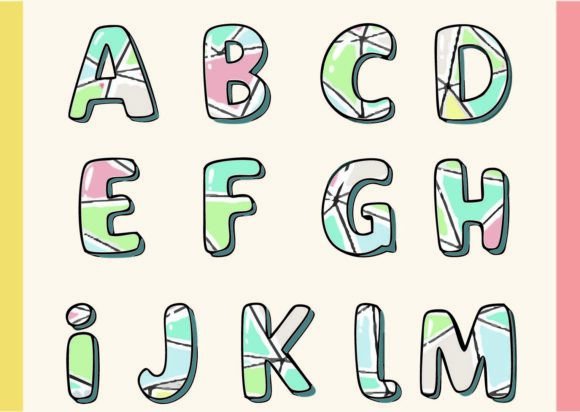
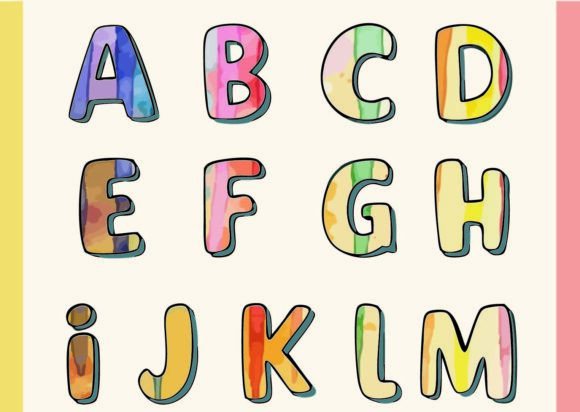
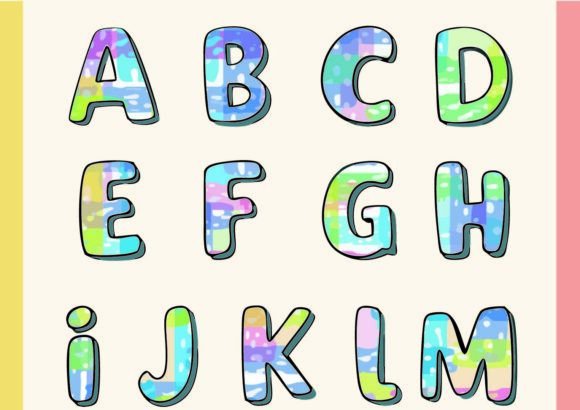
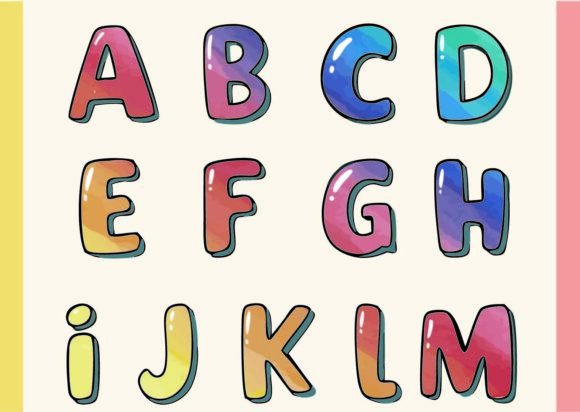
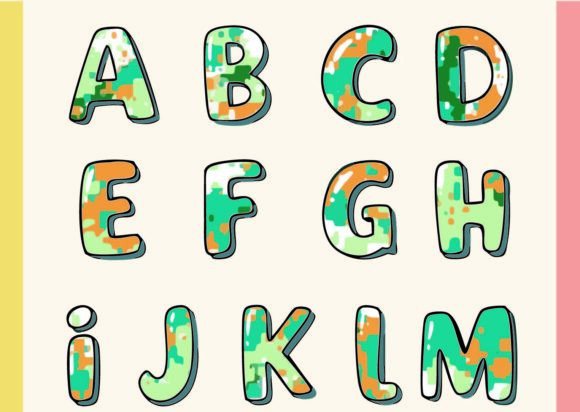
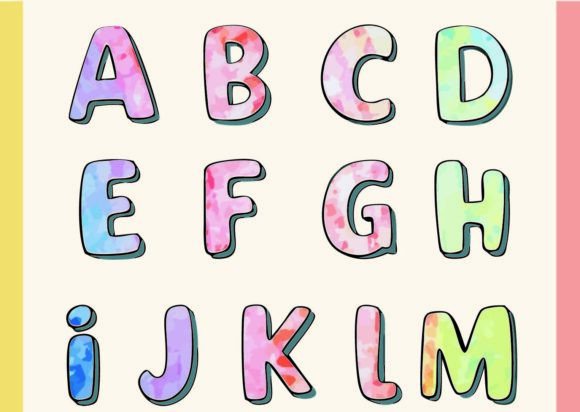
At first glance, Serenity feels like looking through a kaleidoscope. The defining feature of this typeface is its status as a Color Font (specifically utilizing OpenType-SVG technology). Unlike traditional typefaces where you select a glyph and apply a single color fill, every letter in the Serenity font family possesses a pre-defined, complex color palette. The result is a "colorful heaven" where every character is unique. If you zoom in on the curves and terminals of the letters, you won't find simple vector outlines. Instead, you’ll discover intricate sets of paths and connections—layered gradients, transparencies, and overlapping hues that create depth and dimension.
This complexity gives Serenity a personality that is both whimsical and sophisticated. It moves beyond the flat aesthetic of modern minimalism and embraces a more expressive, artistic style. For designers, this is a game-changer because it bridges the gap between typography and illustration. You aren't just choosing a font; you are importing a piece of digital art that maintains the editability of text. The visual weight and vibrancy of the glyphs make it an immediate focal point, ensuring that whatever you type commands attention.
Where Serenity Shines: Practical Applications
Understanding the visual flair of Serenity is one thing, but knowing where to deploy it is where strategy comes into play. Because of its intricate detailing and vibrant color sets, this typeface functions primarily as a display font or headline font. It is not designed for long-form body copy; trying to read a paragraph of Serenity would be visually exhausting for your audience. However, for short bursts of text, it is unbeatable.
Consider using Serenity in the following scenarios:
- Social Media Graphics: In a crowded feed, a black-and-white quote graphic often gets scrolled past. A headline set in Serenity stops the thumb. It creates an instant "wow" factor that boosts engagement and shares.
- Logo Design & Wordmarks: If you are building a brand identity for a creative agency, a boutique, a children’s brand, or a lifestyle blog, Serenity can serve as a distinct wordmark. It conveys creativity, openness, and a modern approach to design.
- Packaging Design: For products that need to pop off the shelf—think artisanal goods, cosmetics, or stationery—the font adds a premium, textured look that suggests high quality.
- Editorial Design: Use it for drop caps or pull quotes in magazines or digital lookbooks to break up the monotony of standard serif or sans serif body text.
Strategic Integration: Hierarchy and Brand Perception
When you introduce a creative font like Serenity into your toolkit, you are doing more than decorating; you are manipulating visual hierarchy. In web design and print, hierarchy guides the viewer's eye from the most important element to the least important. Serenity naturally gravitates to the top of this hierarchy. Its visual complexity and color variation draw the eye immediately.
From a brand strategy perspective, using a chromatic font signals that a brand is bold, artistic, and unafraid to break conventions. It moves a brand identity away from corporate rigidity and toward a more human, expressive aesthetic. However, this comes with a caveat: consistency. Because the font is so vibrant, it must be used sparingly to maintain its impact. If you use it for everything, the design becomes noisy. Use it for key headers and pair it with a clean, neutral modern typography choice—like a geometric sans serif—for your sub-headers and body copy. This contrast ensures readability while allowing Serenity’s personality to shine.
Technical Realities and Creative Freedom
One of the most common questions regarding color fonts revolves around compatibility. It is vital to understand the technical environment of Serenity to avoid frustration. This font is delivered as an OpenType-SVG file. This means the color data is embedded inside the font file itself.
For the best experience, you will need software that supports this standard. Adobe Photoshop, Adobe Illustrator, Silhouette Studio, and Inkscape are all excellent environments for working with this font. When you load the OTF or TTF files into these programs, the colors appear automatically.
However, there are limitations to keep in mind. On some older operating systems or web browsers, color fonts may render as their "fallback" version—which is usually a standard black-and-white outline. While this ensures the text is always readable, you lose the "wow" factor. Therefore, when using Serenity for social media graphics or packaging design, always rasterize or convert the text to outlines (shapes) before exporting your final files for print or web. This locks in the colors and ensures your design looks exactly as intended, regardless of where it is viewed.
Pairing and Composition Tips
Because Serenity is visually loud, it requires a quiet partner. Think of it as the lead singer of a band; it needs a rhythm section that supports it without competing for the spotlight.
- The Minimalist Contrast: Pair Serenity with a clean, wide-tracked sans serif. The simplicity of the sans serif allows the complexity of Serenity’s colors to pop without overwhelming the viewer.
- The Editorial Mix: Combine Serenity with a classic serif font. This creates a bridge between traditional publishing elegance and modern artistic expression, perfect for high-end magazine layouts or lifestyle blogs.
When testing your pairings, pay close attention to x-height and weight. Since Serenity is colorful, it can sometimes appear visually "lighter" than a solid black font of the same size. You may need to increase the size of your Serenity text slightly to ensure it holds its own against a bold body text.
Evaluating the Asset
Before committing a premium font like this to a major client project or a core brand identity, take the time to test it thoroughly. Type out the specific words you plan to use. Check the kerning (spacing between letters) in your specific software, as SVG fonts can sometimes behave slightly differently than standard vector fonts regarding spacing. Review the included character set to ensure it supports the specific punctuation or language glyphs you require.
Ultimately, Serenity is more than just a set of characters; it is a design asset that injects life and energy into digital and print projects. It solves the problem of flat, uninspired typography by offering a ready-made solution for colorful, artistic text. Whether you are a crafter looking to add flair to a project, a marketer aiming for higher engagement, or a designer building a unique brand identity, this typeface offers a practical and visually stunning way to stand out. By respecting its nature as a display font and pairing it wisely, you can turn standard text into a memorable visual experience.