Introducing Soft Easter: A Fresh Approach to Playful Typography
There is a distinct moment in the design process where you realize a standard typeface just isn't cutting it. You are working on a seasonal campaign, a lifestyle blog header, or perhaps packaging for a boutique product, and the text needs to feel like an event, not just information. This is exactly the gap that Soft Easter was created to fill. It is a premium font that steps away from the rigid geometry of modern typography and embraces a softer, more tactile aesthetic. Think of it as the visual equivalent of a warm, sunny afternoon—it brings a sense of comfort and originality that is increasingly rare in digital spaces.
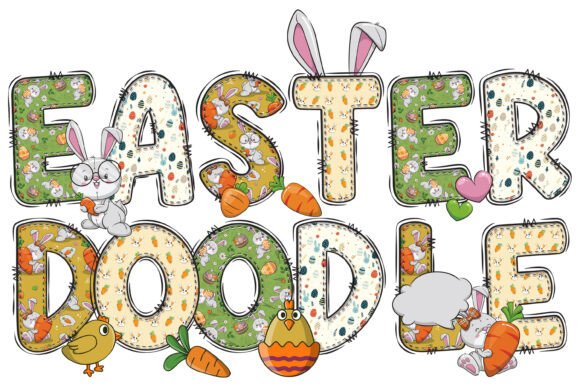
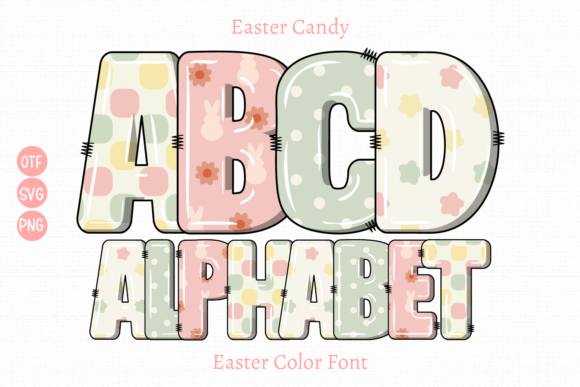
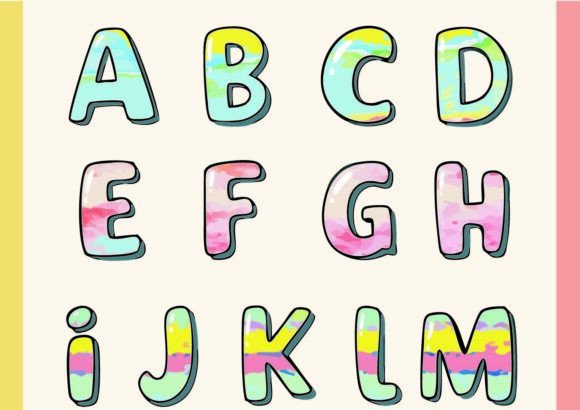
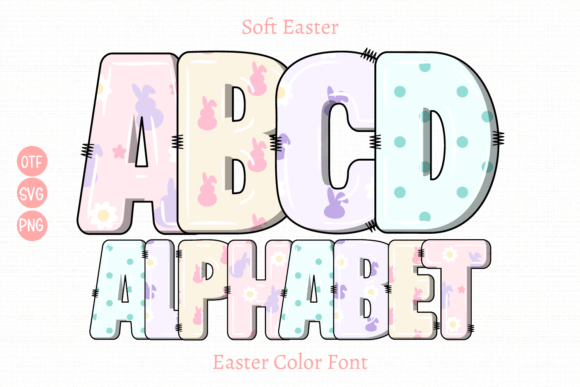
Visually, Soft Easter isn't just another display font. It is an Easter-inspired color font, which means it utilizes modern OpenType technology to render multi-colored glyphs directly within the text. If you are used to the limitations of standard monochrome typography, this is a game-changer. The letterforms feature rounded terminals and a gentle, almost marshmallow-like texture. It avoids the sharp edges found in typical sans serif font families, opting instead for a hand-drawn quality that feels authentic. While it leans into a playful vibe, it doesn't sacrifice structure; the baseline is stable, and the x-height is generous enough to ensure that the personality of the font enhances rather than hinders the message.
Where Soft Easter Thrives: Practical Applications
The versatility of a creative font like this often surprises people. It is easy to assume that a themed typeface is limited to holiday cards, but the reality is that Soft Easter performs exceptionally well across a variety of media. For brand identity, particularly for small businesses in the lifestyle, beauty, or food sectors, this font offers an immediate way to establish a friendly and approachable tone. It works beautifully in logo design where you want to signal creativity and warmth without looking childish.
In the realm of digital design, the font shines on social media platforms. Instagram stories, Pinterest graphics, and Facebook ads often suffer from "scroll fatigue"—users are numb to generic text. Using a distinct typeface like Soft Easter can halt that scroll. It is also highly effective in web design for hero sections or call-to-action buttons where you want to draw the eye with color and texture.
For print and editorial design, the applications are just as robust. Imagine this typeface on the cover of a seasonal cookbook, a magazine feature spread, or high-end packaging design for artisanal chocolates or cosmetics. It brings a tactile quality to print that flat digital text often lacks. Furthermore, for event planners and stationery designers, it is an indispensable asset for invitations, greeting cards, and planners. It adds that "whimsical touch" that transforms a simple piece of paper into a keepsake.
The Strategic Value of a Playful Typeface
Choosing a font is rarely just about aesthetics; it is about psychology. When you utilize Soft Easter, you are making a deliberate choice to lower the barrier between the brand and the audience. In a landscape dominated by stark minimalism and cold, geometric sans serif fonts, a hand-drawn, colorful script font signals humanity. It tells the viewer that there is a real person behind the screen or the page.
From a marketing strategy perspective, this influences brand perception significantly. A playful font can make a large corporation feel more accessible, and it can make a small business feel more personal. However, it is crucial to manage visual hierarchy. Because Soft Easter has a strong personality, it acts as a focal point. It works best for headlines, sub-headers, and pull quotes. Using it for long-form body copy would likely hurt readability; instead, pair it with a clean, neutral serif font or a simple sans serif font for the body text to maintain a professional balance.
Design Guidance and Font Pairing
Integrating a color font into your workflow requires a slightly different approach than standard typography. First, ensure your software supports SVG OpenType fonts, as this is what powers the color rendering in Soft Easter. Programs like Adobe Photoshop, Illustrator, and InDesign, as well as modern web browsers, generally handle this well, but it is always worth testing.
When it comes to font pairing, let the soft, rounded nature of the font guide you. It contrasts beautifully with geometric sans serifs like Montserrat or Futura. If you prefer a more traditional look, a light-weight serif font like Garamond or Minion can provide a sophisticated grounding for the playful display text. Avoid pairing it with other script fonts or overly decorative handwritten fonts, as this will create visual clutter and confuse the reader's eye.
Before deploying the font in a commercial campaign, take a moment to review the licensing. Soft Easter is designed as a commercial font asset, and understanding the terms ensures you can use it confidently across your design assets—from your website to your printed merchandise. Experiment with the background colors as well; because the font contains its own internal colors and textures, it often pops best against solid, muted backgrounds rather than busy patterns.
Ultimately, Soft Easter is more than just a seasonal novelty. It is a tool for injecting life into your designs. Whether you are sprucing up a blog, launching a new product line, or simply creating a photo album for family, it offers a way to make your typography feel as thoughtful and curated as the content itself.