Harvest Moon: A Creative Font for Modern Branding
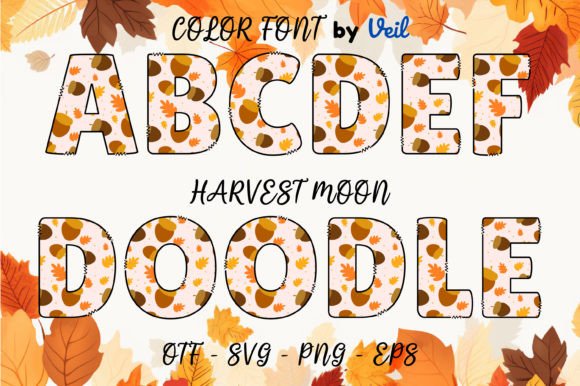
If you've spent any time scrolling through Pinterest or browsing independent stationery shops, you've likely seen the distinct, tactile look of the Harvest Moon typeface. It isn't just another script; it’s a typeface that bridges the gap between raw, organic energy and polished professionalism. For designers, entrepreneurs, and content creators, finding a font that feels personal without looking messy is the holy grail of typography. Harvest Moon manages to capture that elusive "handmade" quality—think of a brush pen moving quickly across textured paper—while maintaining the structural integrity required for serious commercial use. It offers a warmth that digital spaces often lack, making it an invaluable asset for anyone looking to humanize their brand or creative project.
The Visual Personality: More Than Just a Handwritten Font
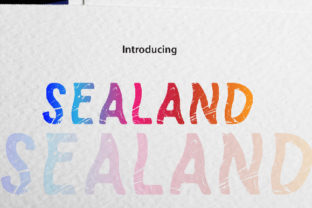
At its core, Harvest Moon is a script font, but categorizing it simply as "handwritten" does it a disservice. It possesses a distinct personality defined by its rough edges and varying baseline, which mimics the natural inconsistencies of hand-lettering. Unlike rigid sans serif font options or traditional serif font families, this typeface feels alive. The strokes often have a brushed texture, giving the letters a sense of movement and fluidity. This isn't a font that tries to be perfect; it embraces the imperfections of the human hand, which is precisely why it resonates so deeply with audiences today.
The appeal lies in its versatility within the "artistic" niche. It functions beautifully as a display font, drawing the eye immediately in headlines or hero images. However, because it maintains legibility better than many other script fonts, it can occasionally step into short-form body copy contexts where personality is prioritized over density. For those working on children’s books, the font carries a whimsical, storybook quality that feels inviting. It suggests creativity, authenticity, and a relaxed confidence—traits that are gold for modern brand identity.
Strategic Applications: Where Harvest Moon Shines
Knowing where to deploy a premium font like Harvest Moon is just as important as liking the way it looks. Its visual weight and style make it a powerhouse for specific applications across both print and digital mediums.
Branding and Logo Design
In logo design, uniqueness is currency. Harvest Moon offers a distinct silhouette that helps brands stand out. It works exceptionally well for businesses that want to project an image of craftsmanship, organic quality, or creativity. Think of coffee roasters, boutique clothing lines, yoga studios, or artisan bakeries. When used in a logo, it immediately tells the customer, "We are personal, and we care about the details." However, pairing is key here. A heavy script like this needs a grounding element. Pairing it with a clean, geometric sans serif font for subheadings creates a balanced visual hierarchy that feels modern and professional.
Editorial and Packaging Design
For those in packaging design, Harvest Moon is a secret weapon. On a shelf crowded with sterile, minimalist typography, a hand-lettered style creates instant shelf appeal. It suggests the product inside might be homemade, small-batch, or infused with passion. Similarly, in editorial design, such as magazine headers or blog post titles, it breaks the monotony of standard web-safe fonts. It adds a layer of texture to the page that draws the reader in, enhancing audience engagement before they’ve even read the first sentence.
Digital Spaces and Social Media
The digital world is often cold and pixel-perfect. Harvest Moon introduces warmth into web design and social media graphics. It is particularly effective for Instagram quotes, Pinterest pins, and YouTube thumbnails where you need to grab attention in a split second. Because it is a creative font, it helps content creators stand out in a sea of generic templates. When used for digital invitations or greeting cards, it replicates the feeling of receiving a handwritten note, which adds significant emotional value to the message.
Technical Considerations and Practical Guidance
While the aesthetic of Harvest Moon is all about free-flowing art, using it effectively requires technical discipline. As a design asset, it demands respect for readability and context.
Evaluating Project Fit
Before you commit to Harvest Moon for a full campaign, ask yourself about the medium. Is this for a highway billboard or a wedding invitation? While it excels in intimate settings like invitations and posters, it may lose legibility at very small sizes or from a distance. Always test the font at the actual size it will be viewed. If the "r" and the "n" merge into an "m" when scaled down, you need to increase your point size or choose a different typeface for that specific element.
Font Pairing and Hierarchy
Never use a display font in isolation. Harvest Moon needs a partner to do the heavy lifting. Since Harvest Moon has high visual complexity, pair it with a simple, neutral typeface. A standard sans-serif like Helvetica, Arial, or a clean geometric font works best. Use Harvest Moon for the "loud" parts—headlines, pull quotes, or logos—and use your neutral font for the "quiet" parts—body text and captions. This contrast ensures your brand identity feels organized rather than chaotic.
Licensing and Usage
Finally, remember that Harvest Moon is a commercial font. If you are using it for a small business, client work, or products for sale, you must ensure you have the correct license. Check the specifics regarding commercial licensing before embedding it in apps or using it on merchandise. Respecting the typographer’s work ensures you can continue to access high-quality design assets in the future.
Ultimately, Harvest Moon is more than just a trend; it is a tool for connection. In a world of automated responses and AI-generated content, using a font that feels deeply human can be your greatest competitive advantage. Whether you are designing a book cover or a social media campaign, it helps you tell a story that feels authentic, tactile, and real.