Candy Cane Army: A Festive Typeface for Holiday Designs
As the holiday season approaches, the pressure to create visuals that instantly evoke warmth and cheer is immense. While serif fonts and sans serif fonts form the backbone of professional brand identity, seasonal projects often demand a specialized tool. This is where Candy Cane Army enters the conversation. It is not just another decorative typeface; it is a premium font designed to inject immediate personality into your work. For designers, marketers, and hobbyists, understanding how to leverage this specific display font can be the difference between a generic holiday card and a memorable piece of editorial design.
Visual Characteristics and Personality
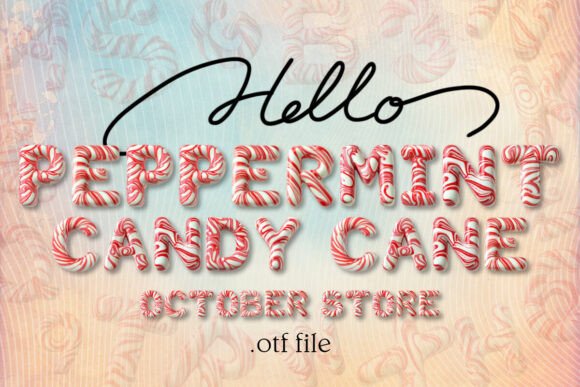
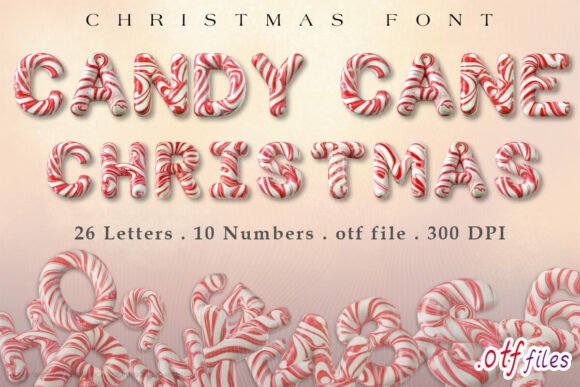
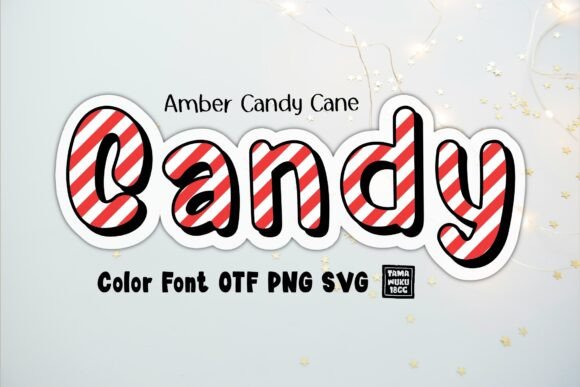
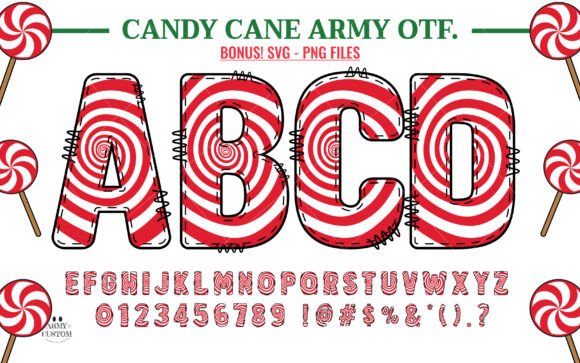
At its core, Candy Cane Army is a creative font that balances whimsy with legibility. Unlike a standard script font that relies solely on flow, this typeface utilizes bold, blocky letterforms that mimic the texture of peppermint stripes. It exudes a "joie de vivre" that is infectious, making it an excellent choice for headers and titling where you need to capture attention immediately. The visual style sits comfortably between a handwritten font and a structured display font, giving it a unique versatility. It avoids the pitfalls of being overly childish, instead offering a polished, festive aesthetic suitable for professional packaging design and high-end social media graphics.
The personality of this typeface is unmistakably joyful. It speaks to the tradition of the season while maintaining a modern edge. When you look at the letterforms, you see a deliberate play on negative space and color integration. This is modern typography with a holiday twist, designed to stand out in a crowded marketplace. Whether you are working on a digital campaign or physical merchandise, the font’s character helps tell a story of celebration before the audience even reads the words.
Strategic Applications: Where Candy Cane Army Shines
Knowing where to deploy a creative font like this is crucial for maintaining professionalism. Candy Cane Army excels in environments where grabbing attention is the primary goal. Think of the "hero" section of a holiday landing page or the main banner of a newsletter. In web design, it serves as a powerful accent font that breaks the monotony of standard body text. For logo design involving seasonal sub-brands or limited-edition products, this font offers the distinctiveness required to create a temporary but impactful visual shift.
In the realm of physical goods, the applications are vast. Packaging design for seasonal treats, gift wraps, and boutique items benefits immensely from the font's festive energy. It is also a top-tier choice for social media graphics, where the scroll-stopping power of a colorful, textured font can significantly boost engagement rates. However, it is important to note its limitations. As a display font, it is not intended for long-form body copy. Using it for paragraphs would compromise readability; instead, pair it with a clean, neutral sans serif font for supporting text to maintain a clear visual hierarchy.
Technical Considerations and Compatibility
One of the most practical aspects of Candy Cane Army is its dual-format availability, though users must pay close attention to the technical specifications to avoid workflow disruptions. The font comes in both a standard black version and a multi-color version. Understanding the distinction is vital for effective project planning.
The black version of Candy Cane Army is fully compatible with standard cutting machines, including Cricut Design Space. This makes it an ideal design asset for crafters and small business owners creating physical products like decals, apparel, or paper goods. However, the color version—which delivers the full "candy cane" effect—is more specialized. It is compatible with advanced design assets software such as Adobe Photoshop, Adobe Illustrator, Silhouette Studio, and Inkscape. Crucially, the OTF and TTF files of the color version are not compatible with Cricut.
For those unfamiliar with color fonts, it is highly recommended to consult resources on modern typography workflows. Using the color version requires software that supports OpenType-SVG or similar color font technologies. If you attempt to use the color files in unsupported software, you may see a default black version or encounter rendering errors. Always verify your software capabilities before purchasing or starting a project to ensure a smooth creative process.
Evaluating Fit and Font Pairings
Integrating a premium font like Candy Cane Army into your brand identity requires a strategic approach to font pairing. Because the font has a strong personality, it pairs best with subdued, geometric typefaces. A clean sans serif font like Montserrat or Lato provides a stable foundation that allows the festive headers to pop without overwhelming the viewer. Conversely, pairing it with a delicate serif font can create a sophisticated, upscale holiday look, perfect for formal invitations or luxury branding.
When evaluating if this font fits your project, consider the emotional resonance you want to achieve. If your goal is to convey high energy, nostalgia, and pure fun, Candy Cane Army is likely the perfect fit. However, if your brand voice is minimalist, serious, or strictly corporate, this font might clash with your existing brand identity. It is also worth reviewing the included styles and character sets. Check for kerning pairs and special ligatures that can add polish to your typography. Ultimately, Candy Cane Christmas Font is a powerful tool in the right context—use it to elevate your designs and capture the irreplaceable warmth of the season.